Existing Patients: (318) 868-5726
New Patients: (318) 716-7006


Hearing that you need a root canal can feel worrying, but there is no reason to panic. Modern root canal treatment is a routine, comfortable visit, much like getting a dental filling. In many cases, it is the best way to stop a toothache, rescue a damaged tooth, and keep your natural smile.
At Superior Dentistry in Shreveport, we work to give precise, gentle care that helps our patients keep their smiles healthy and attractive. Your comfort and well-being come first with our team, so you can feel confident that your oral health is in caring, capable hands.
Root canal treatment has a demonstrated success rate of well over 90%. It remains the most effective way to save a tooth that has been badly weakened by decay or injury.
Keeping your own natural teeth supports both your oral health and your overall well-being. That is why dentists widely recommend root canal therapy over pulling the tooth. In the United States alone, dentists perform root canals almost 41,000 times every day and close to 15 million times each year.

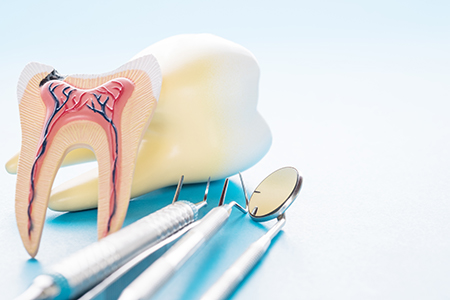
A tooth is more than its hard outer shell and roots. Deep inside, a central chamber holds connective tissue, nerves, and blood vessels. Together, these tissues are called the dental pulp. The pulp helps a tooth grow and mature before it comes into the mouth. Afterward, it keeps the tooth nourished and alive, and it lets you know when something is wrong.
When biting, chewing, or sipping something hot or cold causes sensitivity, the nerves inside your tooth are sending a warning. Decay may be present, the tooth may have been injured, or an infection may be developing. How much it hurts depends on how much damage there is and how deeply the nerve is involved.
A root canal becomes necessary when the dental pulp is damaged beyond repair or has died. The good news is that you may not need to lose the tooth. If enough healthy tooth structure remains and the surrounding bone offers good support, the tooth can often be saved. A fully developed tooth can keep working without its pulp, so your dentist can perform a root canal and preserve your natural tooth.
Not every toothache means you need a root canal. Still, these common warning signs suggest the inner tissues of a tooth may be in trouble:
Pain is your body's signal that something is wrong. Mouth pain has many possible causes, but one of the most common is decay or damage that has reached the living tissues inside a tooth. People who need a root canal often say their tooth pain wakes them up at night.
If a warm cup of coffee or a cold drink makes you wince, it is time to call our office. Strong sensitivity to hot or cold foods and drinks can mean the dental pulp is inflamed, irritated, or no longer alive.
Pain when you bite, chew, or even lightly touch a tooth can point to a problem with the pulp, lasting damage to the tissues inside, or an infection.
A tooth that turns darker often signals that its nerve and blood supply have been harmed. Teeth that have been injured may change color as the tissues inside lose their vitality.
An injury that chips or breaks a tooth can also harm the dental pulp. Sometimes so much of the tooth is lost that a root canal is needed to save it.
Swelling in the gums near a tooth may mean an infection has formed. The swelling can grow and lead to more serious problems, or an abscess may begin to drain pus. Either way, you need care right away. Learn more about our emergency dental treatment.
The problems that lead to a root canal can damage the bone that holds a tooth in place, making it feel loose. Root canal therapy can often correct this as the tissues heal.

Some of the signs above can also point to other dental problems, but every one of them deserves a timely visit. A tooth that needs a root canal does not always cause obvious symptoms. Sometimes we first spot the problem during a comprehensive, routine exam. These teeth usually show signs on X-rays of trouble at the tip of the root (periapical pathology) or other structural damage.
If we recommend a root canal, please do not put it off. Waiting raises the chance of more widespread and severe symptoms. A dental infection can seriously affect your mouth and may even threaten your general health.
Thanks to modern dental instruments and refined techniques, a non-surgical root canal often feels no different from having a routine filling.
Some root canals are finished in a single visit, while others take 2 or 3 appointments. The timeline depends on things like how many canals the tooth has, the shape of its roots, and whether an active infection is present.
During treatment, our dentist removes the diseased pulp, cleans the inside of the tooth, and fills each prepared canal with a biocompatible material. We usually perform root canals with local anesthesia. If dental visits make you nervous, ask us about dental sedation options that can help you relax.
At Superior Dentistry, your care and comfort are our top priorities. We want you to enjoy the best possible oral health and to understand each step of your treatment.
Here is what you can expect after your root canal:
Your mouth may stay numb for a while after your visit. Feeling usually comes back within an hour or two. Until it does, take care not to bite or hurt your lips, cheeks, gums, or tongue by accident. Be careful with chewing, hot drinks, and smoking.
A root canal relieves toothache pain, but you may feel mild to moderate soreness once the anesthesia wears off. This should ease within a few days. To keep extra pressure off the tooth, we may smooth its biting surface slightly so it does not hit the opposing teeth. We will also suggest suitable over-the-counter pain relievers and give you a prescription if needed.
If we prescribe antibiotics to treat or prevent an infection, be sure to take the full course exactly as directed.
Even with a temporary filling, a tooth that has had a root canal can crack under stress until a permanent crown or other lasting restoration is placed. In the meantime, chew on the other side of your mouth and skip hard or sticky foods.
Be gentle around the treated tooth, but keep up your daily brushing and flossing. Good oral hygiene helps prevent new problems and supports healing and a healthy mouth.
A tooth that has had a root canal needs a permanent crown or other suitable restoration to regain its strength. Until then, the remaining tooth is weak and can break. The sooner it is restored, the sooner you can bite and chew comfortably and with confidence.
With good home care and regular checkups, a tooth treated with a root canal can last a lifetime.
At Superior Dentistry, we are committed to giving every patient high-quality care. If you have questions, ongoing discomfort, or signs of infection after your procedure, please contact our Shreveport office right away. If you think you may need a root canal, you can also request an appointment online.
A root canal is a treatment that saves a tooth when the pulp inside it is badly damaged or infected. Your dentist removes the diseased pulp, cleans the inside of the tooth, and fills the canals with a biocompatible material.
The tooth stays in place and can keep working, so you avoid losing it.
Most patients say the visit feels much like getting a routine filling. We usually use local anesthesia so the area is numb during treatment. The treatment is meant to relieve the pain that an infected or damaged tooth causes.
Some mild soreness afterward is normal and tends to fade within a few days.
Only an exam and X-rays can confirm it, but certain signs are worth a call to our office:
Some teeth cause no symptoms at all, so regular checkups matter.
Keeping your natural tooth supports your oral health and helps you chew comfortably. Dentists widely recommend saving a tooth with a root canal when enough healthy tooth structure and bone support remain.
Your dentist will explain the options for your situation so you can decide with confidence.
Some root canals are finished in one visit, while others need two or three appointments. The timeline depends on how many canals the tooth has, the shape of its roots, and whether an active infection is present.
Our team can give you a better idea once we have examined your tooth.
Dental nerves are common, and you are not alone. Tell our team about your concerns at Superior Dentistry before treatment begins. We can explain each step, and dental sedation options may help you relax during your visit.
Numbness usually fades within an hour or two, so take care not to bite your lips, cheeks, or tongue. You may feel mild to moderate soreness for a few days, which over-the-counter pain relievers often ease.
Chew on the other side, skip hard or sticky foods, and keep brushing and flossing gently.
A tooth that has had a root canal is weaker and can crack under chewing pressure. A permanent crown or other suitable restoration protects it and restores its strength.
The sooner it is placed, the sooner you can bite and chew comfortably and with confidence.
With a proper restoration, good daily brushing and flossing, and regular checkups, a tooth treated with a root canal can last a lifetime. Root canal treatment also has a success rate of well over 90%.
Waiting raises the chance of more widespread and severe symptoms. An infection can spread and may even affect your general health.
If you notice swelling, worsening pain, or other signs of infection, contact our Shreveport office right away.
Request an appointment online or call us, and we'll help you find a time that works.

Contact Us
Office Hours