Existing Patients: (318) 868-5726
New Patients: (318) 716-7006


If you have lost one or more teeth, many people share the same experience. Research shows that 178 million Americans are missing at least one tooth, and 35 million are fully edentulous, which means they have no natural teeth left.
Teeth can be lost to gum disease, decay, or an accident. Whatever the cause, the team at Superior Dentistry in Shreveport, LA is here to help. We provide skilled care and a range of treatment options so you can enjoy a full, healthy, and attractive smile again.

Dental implants are today's most advanced way to replace missing teeth. Traditional fixed bridges and dentures still work well for many patients. Even so, implants come nearest to matching how real teeth look, feel, and work.
Implants act much like the roots of your natural teeth. That gives them outstanding stability, so they can support many kinds of restorations, from crowns and bridges to a whole set of teeth. With implants, you can get back to eating the foods you love and talking and smiling with ease.
If you wear full dentures, implants can add the hold and stability you need. This helps your denture fit more comfortably and keeps it from slipping at awkward moments.
Struggling with tooth loss and searching for the right replacement? Visit Superior Dentistry on Line Ave in Shreveport to learn more about dental implants and the other services we offer. At Superior Dentistry, building healthy, beautiful smiles is something we take real pride in.
A dental implant is a small, biocompatible post placed in the jaw during a surgical procedure. It works much like a natural tooth root. After it is placed and bonds with the bone around it, the implant offers excellent support for a single crown, a bridge, or a denture.
Because implants are the most advanced option for replacing teeth, they offer a lasting, comfortable, and functional way to rebuild a complete smile.
Dental implants can restore your smile whether you are missing a single tooth, several teeth, or a full arch. About 3 million people already have implants, and that number grows by roughly 500,000 every year. Much of this popularity comes from the many advantages implants offer over other treatments.
Fixed bridges and dentures remain good, reliable choices. Still, implants offer some clear advantages over these traditional options:

Implants can be used in several ways, depending on how many teeth you need to replace. Here are the main types of dental implants:
Finding out if you are a good candidate for implants is simple. At Superior Dentistry, we are glad to examine your smile, answer your questions, and walk you through the implant options that fit you best.
Every smile is different, so every treatment plan is, too. We build your plan around your medical and dental history, the current health of your mouth, the look you hope to achieve, your lifestyle, and your budget. If you are new to our Shreveport office, our new patients page explains what to expect at your first visit.
Successful implant treatment depends on careful planning and precise work at every stage. That includes the first planning visit, the exact placement of each implant, and the design, creation, and fitting of your final crowns, bridges, or dentures.
Implant surgery is usually considered a minor procedure and is done on an outpatient basis. How involved it is depends on the type and number of implants you need, and whether the bone needs any extra preparation first.
Clear communication is a key part of how we care for patients. Before your procedure, we will talk with you about dental anesthesia and options for dental sedation. We will also give you detailed instructions for before and after surgery, and we will keep you informed at every step.
After an implant is placed, it takes a few months to fully bond with the surrounding bone. Some implant options allow a temporary crown or bridge to be placed while you heal. Others require full healing and osseointegration, which is the fusing of the implant with the bone, before the permanent restoration is attached.
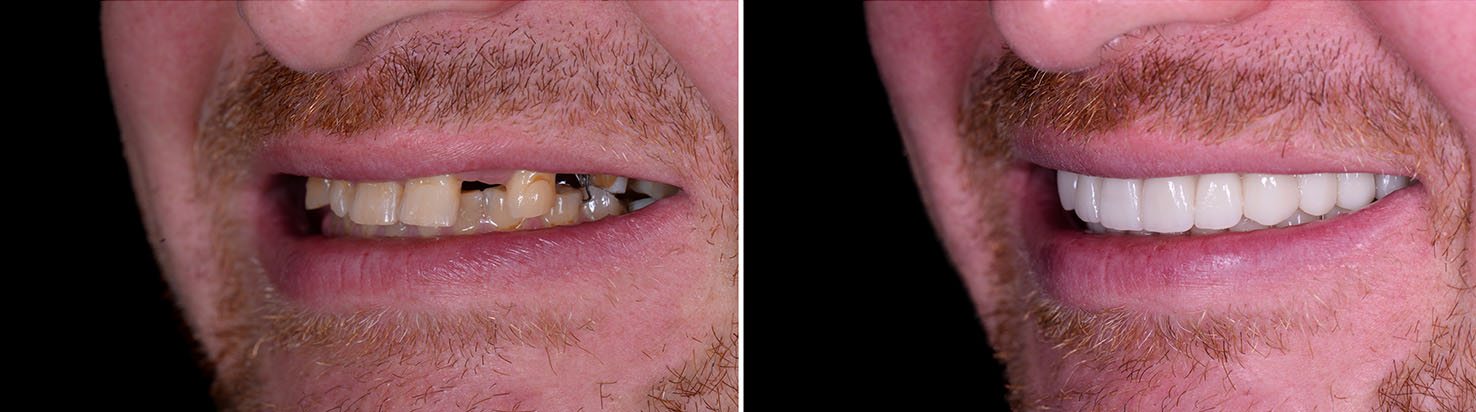
Clinical studies show that dental implants have a long-term success rate of well over 95%. That success, however, depends on having enough healthy bone to hold the implant when it is placed.
Bone volume often shrinks after a tooth is removed or as a result of periodontal (gum) disease. Placing a bone graft in the extraction site, or before the implant goes in, can rebuild enough bone to give your implant a strong, stable foundation.
Missing teeth leave more than a gap in your smile. They can make it harder to speak clearly or chew healthy foods. Over time, nearby teeth may drift into the open space, which can change your bite and affect the health of your mouth in many ways.
Thanks to today's advances in dental materials, technology, and treatment methods, replacing missing teeth with natural-looking, attractive results is easier than ever.
At Superior Dentistry, we are happy to offer treatments that support your oral health and give you a smile you will be proud to share. We work to restore the complete smile you have lost and provide personal care for all of your dental needs.
Want to learn more about dental implants or have us take a closer look at your smile? Give our Shreveport office a call today or reach out through our contact form.
A dental implant is a small, biocompatible post placed in the jaw during a surgical procedure. It works much like a natural tooth root. Once it bonds with the surrounding bone, it can support a single crown, a bridge, or a denture.
Implant surgery is usually considered a minor outpatient procedure. Before your visit, our team will talk with you about dental anesthesia and sedation options so you can feel comfortable.
Some soreness afterward is common, and we will give you detailed instructions for before and after surgery to guide your recovery.
After placement, an implant needs a few months to fully bond with the bone. The total timeline depends on the type and number of implants and whether you need bone preparation first.
Some options allow a temporary crown or bridge while you heal. Others need full healing before the permanent restoration is attached.
Sometimes, yes. Some implant options allow a temporary crown or bridge to be placed during healing. Full arch treatment can also include an attractive set of temporary teeth, with permanent teeth added after the implants have bonded with the bone.
Your dentist will tell you which approach fits your plan.
Many people missing a single tooth, several teeth, or a full arch can be considered. Your dentist looks at your medical and dental history, the current health of your mouth, your goals, your lifestyle, and your budget.
An exam is the best way to find out which options suit you.
With careful placement, good brushing and flossing, and regular checkups, implants can last for many years. Clinical studies show a long-term success rate of well over 95%, though results vary from person to person.
Implants cannot get cavities, but the gums and bone around them still need to stay healthy.
An implant needs enough healthy bone to hold it firmly. Bone can shrink after a tooth is removed or because of gum disease. A bone graft can rebuild bone to give the implant a strong, stable foundation. Your dentist will tell you if you need one after examining your mouth.
A traditional bridge relies on the neighboring teeth, which must be reshaped and crowned. An implant does not require that, so the healthy teeth beside the gap stay untouched. Implants also keep stimulating the jawbone, which helps prevent bone loss.
Yes. An implant-retained denture snaps onto a small number of carefully positioned implants in the upper or lower jaw. This adds stability and hold, so the denture fits more comfortably and is less likely to slip when you talk or eat.
Request an appointment online or call us, and we'll help you find a time that works.

Contact Us
Office Hours